
Budget Negotiation Skills Program
Build confidence in financial conversations that actually matter for your business or career.
Most people feel uncomfortable talking about money. That's normal. But when you're negotiating budgets—whether you're pitching for project funds, discussing salary, or allocating resources across departments—that discomfort can cost you.
This program runs from October through December 2025 and gives you practical techniques to approach budget discussions with clarity. You'll work through real scenarios, not hypothetical ones, and learn how to frame financial requests in ways that make sense to decision-makers.
What You'll Actually Learn
We've broken the program into four areas that cover the full negotiation cycle, from preparation through follow-up.
Understanding Financial Contexts
Before you walk into any budget conversation, you need to know what constraints the other side is working with. This module covers:
- How organisations structure budgets and where flexibility usually exists
- Reading financial statements without getting overwhelmed by jargon
- Identifying timing issues that affect approval processes
- Researching comparable budgets in your industry
Building Your Case
You can't just ask for money and hope for the best. This section teaches you how to construct arguments that resonate:
- Translating project benefits into financial terms
- Creating budget proposals that address common objections upfront
- Using data effectively without drowning your audience in numbers
- Presenting alternatives and trade-offs clearly
Conversation Techniques
The actual negotiation is where theory meets reality. We focus on:
- Opening discussions in ways that set collaborative tones
- Handling pushback without getting defensive or aggressive
- Asking questions that reveal hidden concerns or opportunities
- Knowing when to pause, when to push, and when to walk away
After the Discussion
Negotiations rarely end in one meeting. This module looks at what happens next:
- Documenting agreements so everyone remembers the same thing
- Following up strategically when decisions are pending
- Adjusting your approach based on what you learned
- Building relationships that make future negotiations smoother
Who's Running This Program

Kieran Threlfall
Lead Facilitator
Kieran spent fifteen years managing procurement budgets for mid-sized manufacturing companies across Queensland and Victoria. He's negotiated everything from multi-million dollar equipment purchases to department operating budgets, and he's particularly good at explaining financial concepts to people who don't come from finance backgrounds. His approach is direct and practical—no unnecessary theory.
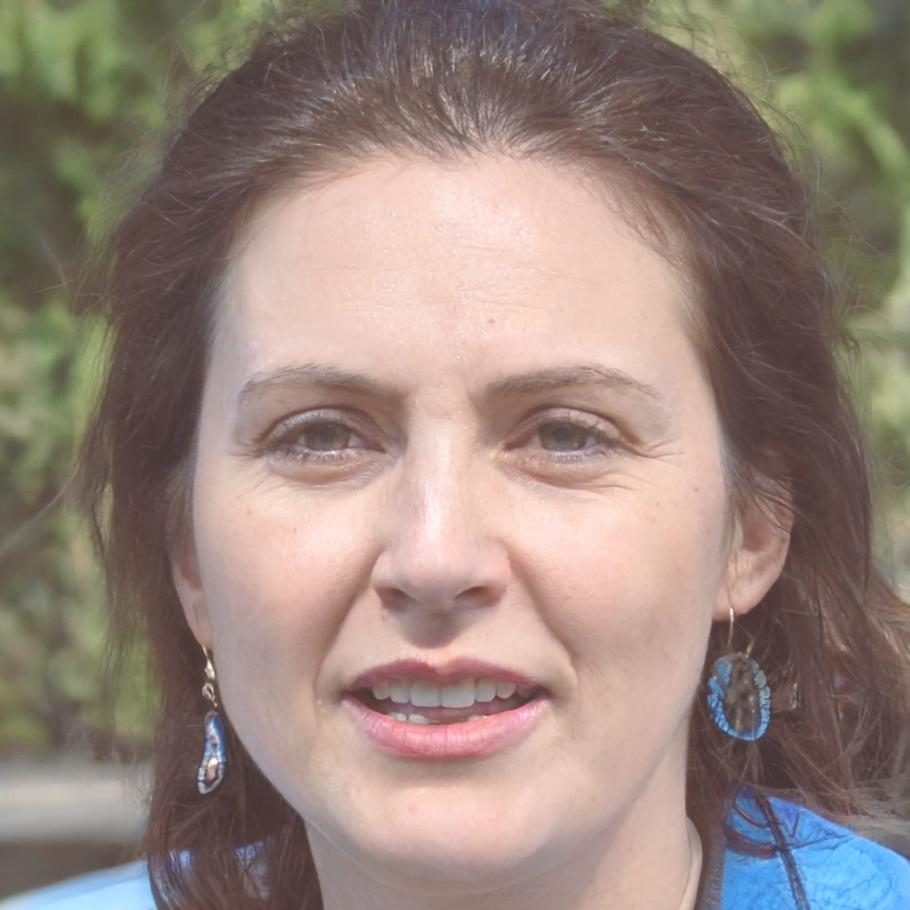
Bronwyn Eccleston
Workshop Coordinator
Bronwyn brings a different perspective from her work in public sector budget allocation. She's been on both sides of the table—requesting funds for programs and evaluating requests from others. She understands the political dimensions of budget negotiations and how to navigate organisational dynamics that aren't always obvious from the outside. Her feedback on participant exercises is consistently detailed and helpful.
How We Run Sessions
This isn't a lecture series. Each session mixes short presentations with hands-on practice. You'll work through case studies based on real situations—sometimes in small groups, sometimes individually—and get feedback on your approach.
We meet fortnightly on Tuesday evenings from 6:30 to 8:30 PM at our Barton location. That's eight sessions total between October and December 2025. Sessions are capped at sixteen participants so everyone gets time to work through their specific challenges.
- Practice with realistic scenarios that mirror actual workplace situations
- Small group size ensures personalised attention and detailed feedback
- Evening schedule designed for working professionals
- Optional one-on-one consultations for complex negotiation situations

Registration Opens August 2025
Interested in joining the October cohort? Get in touch now and we'll contact you when registration opens. We can also answer questions about whether the program fits your particular situation.
Contact Us About Registration